


Become a Sterile Processing Technician and Get CRCST Certified
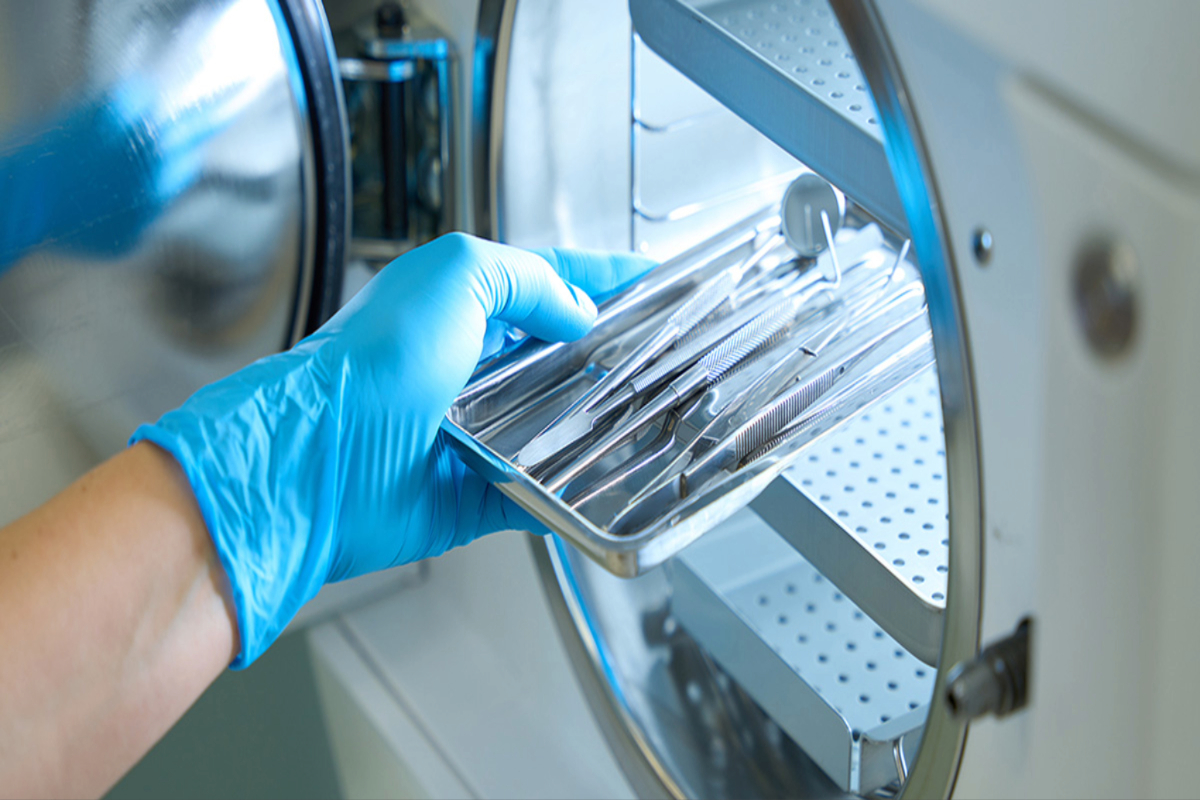
Begin a critical healthcare career as a Sterile Processing Technician. Sterile Processing Technicians, also known as Central Service Technicians, help prevent infection by cleaning, processing, assembling, sterilizing, storing, and distributing medical instruments and supplies.
This 100% online course will train you for the duties of a Sterile Processing Technician while preparing you for the Certified Registered Central Service Technician (CRCST) certification offered by the Healthcare Sterile Processing Association (HSPA).
You will learn the step-by-step requirements of the sterile processing cycle, including decontamination, inspection, preparation, sterilization, storage, inventory management, documentation, and workplace safety.
The course is designed to be completed in 12 months or less and includes a voucher for the CRCST certification exam.
Certification Preparation
This course prepares students for the Certified Registered Central Service Technician (CRCST) certification offered by the Healthcare Sterile Processing Association.
The CRCST credential is designed for entry-level and experienced sterile processing professionals who demonstrate the knowledge and skills required to work competently in sterile processing.
Job Outlook for Sterile Processing Technicians
The source material reports projected job growth of 6% for sterile processing technicians and similar occupations through 2031, with approximately 7,700 openings each year.
It also reports an average annual salary of $42,420 for medical equipment preparers, with top earners making more than $60,000 per year.
California, New York, Texas, Ohio, and Florida are listed among the states with the highest employment in this field.
Sterile Processing Technician FAQs
What is a Sterile Processing Technician? What does a Sterile Processing Technician do?
A Sterile Processing Technician, also known as a Central Service Technician, helps prevent infection by cleaning, sterilizing, processing, assembling, storing, and distributing medical instruments, supplies, and equipment.
These professionals play an important role in supporting surgical services and other healthcare departments.
What is the Certified Registered Central Service Technician certification?
The Certified Registered Central Service Technician credential is offered by the Healthcare Sterile Processing Association.
It is designed for technicians who demonstrate the knowledge, experience, and skills needed to work effectively in sterile processing.
Course Objectives
- Understand the role, responsibilities, professional skills, and communication expectations of a Sterile Processing Technician.
- Use medical terminology and anatomy concepts relevant to central processing and surgical services.
- Identify regulations and standards related to workplace safety, infection prevention, and sterile processing.
- Learn procedures for decontamination, inspection, preparation, and sterilization of instruments and supplies.
- Understand sterile storage guidelines and quality-assurance procedures.
- Learn procedures for handling loaner instruments and managing inventory.
- Understand documentation and record-maintenance requirements.
- Develop communication, human-relations, and professional-development skills.
- Prepare for the responsibilities of a Sterile Processing Technician.
Prerequisites and Requirements
Candidates planning to sit for the national certification exam must have a high school diploma or equivalent. It is recommended that students meet this requirement before enrolling in the program.
Curriculum
Medical Terminology
- Introduction to Medical Terminology
- The Musculoskeletal System
- The Cardiovascular System
- The Lymphatic and Immune Systems
- The Respiratory System
- The Digestive System
- The Urinary System
- The Nervous System
- The Special Senses: Eyes and Ears
- The Integumentary System
- The Endocrine System
- The Reproductive System
- Diagnostic Procedures, Nuclear Medicine, and Pharmacology
Sterile Processing Technician
- Introduction
- Infection Control, Standards, and Regulations
- Decontamination and Workplace Safety
- Disinfection Process and Complex Instrumentation
- Tray Assembly
- Prep and Pack
- Introduction to Sterilization
- Introduction to Low-Temperature Sterilization
- Instrumentation Identification: Part I
- Instrumentation Identification: Part II
- Case Cart Introduction
- Sterile Storage
- Managing Inventory
- Ancillary Department Support
- Important Components for a Successful Career
- Wrapping Up and Preparing for Your Exam
Instructors
Janice Brownlee
Janice "Jan" Brownlee has more than four decades of experience as a Certified Surgical Technologist and has worked in hospitals and surgery centers of varying sizes.
Her experience includes work in sterile processing, instrument rooms, sterile supply areas, operating rooms, cardiothoracic surgery, vascular surgery, orthopedics, and surgical first assisting.
She has also taught surgical technology and sterile processing at the community college level.
Teresa Nicolich
Teresa J. Nicolich holds a Master of Science in Human Services Leadership and a Bachelor of Arts in American Studies with a minor in Communications and Journalism.
She is a Certified Registered Central Service Technician through HSPA and has 30 years of experience in healthcare central supply and sterile processing education, course development, orientation, instruction, and staff training.
Registration and Enrollment
This course is 100% online. Start anytime.